Welcome to Kryntos: Your Guide to Natural Well-being
Exploring natural components, historical wisdom, and scientific insights for comprehensive understanding
Understanding the Power of Nature
Nature has provided humanity with an extraordinary array of botanical resources for thousands of years. Kryntos is dedicated to explaining these natural components through an educational lens, examining their historical uses, scientific mechanisms, and their role in everyday well-being. This is not medical guidance—it is knowledge exploration.
Key Natural Components for Male Vitality
Throughout history and across cultures, specific botanicals have been recognized for their potential to support general well-being. This section introduces the main categories of natural components studied in traditional wellness practices.
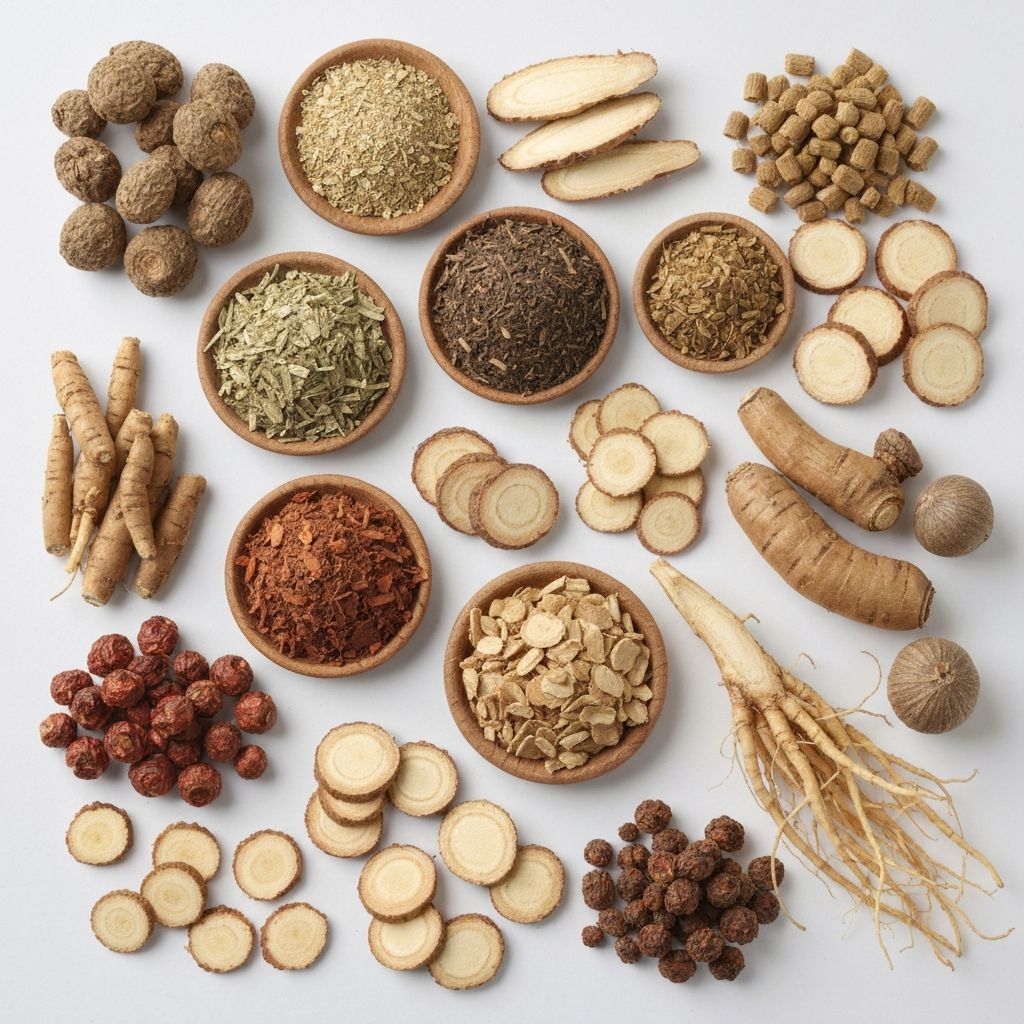
Herbal Botanicals
Plant-based components traditionally used to support energy, vitality, and general health across diverse cultures and time periods.
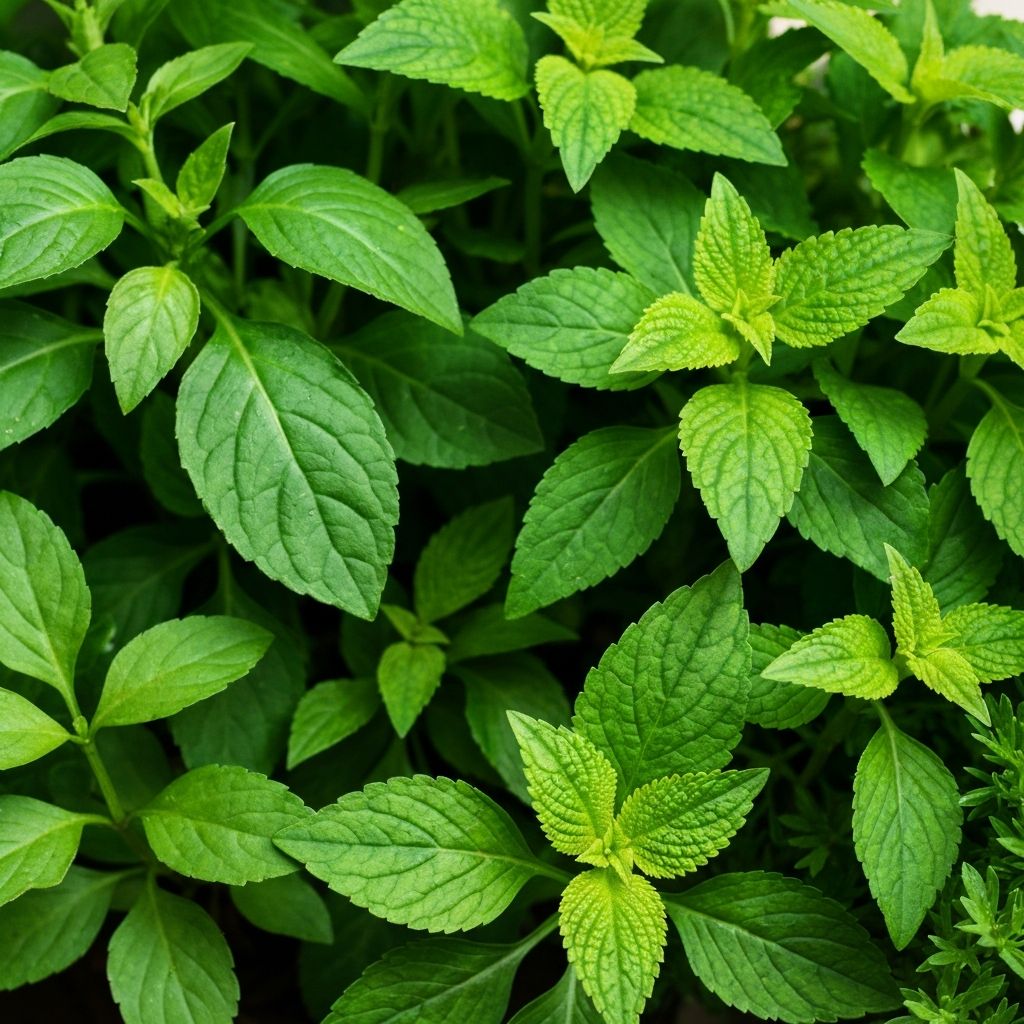
Plant Extracts
Concentrated forms of botanical compounds, studied for their biochemical properties and traditional applications in holistic practices.
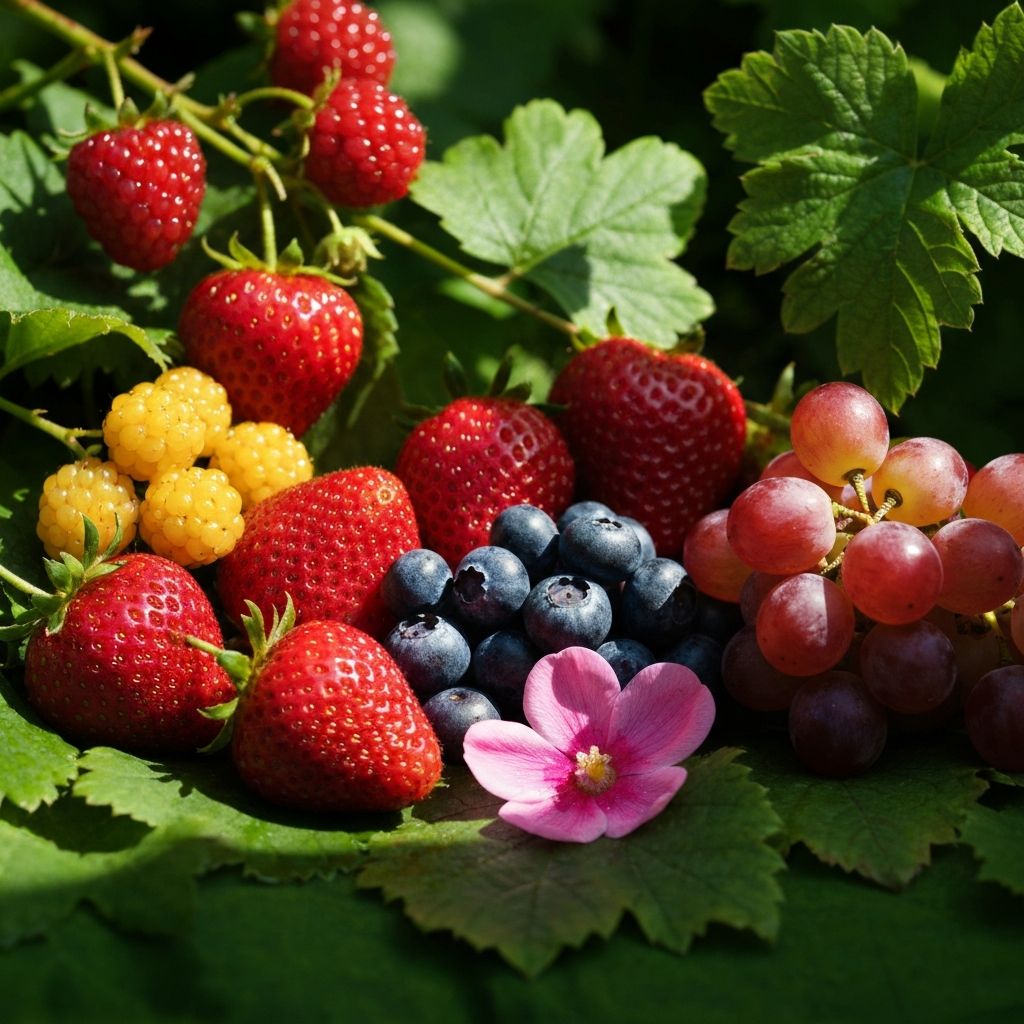
Natural Fruit Components
Nutrient-rich fruits and seeds containing naturally occurring compounds known for antioxidant and supportive properties.
Historical Perspectives on Herbal Support
Across ancient civilizations—from Traditional Chinese Medicine to Ayurveda, from European herbalism to indigenous knowledge systems—natural botanicals have occupied a central role in wellness philosophy. These traditions offer valuable historical context for understanding how different cultures approached plant-based support for vitality and longevity.
Understanding history helps us appreciate the continuity of human interest in natural solutions, even as modern science continues to examine the mechanisms behind these traditional practices.
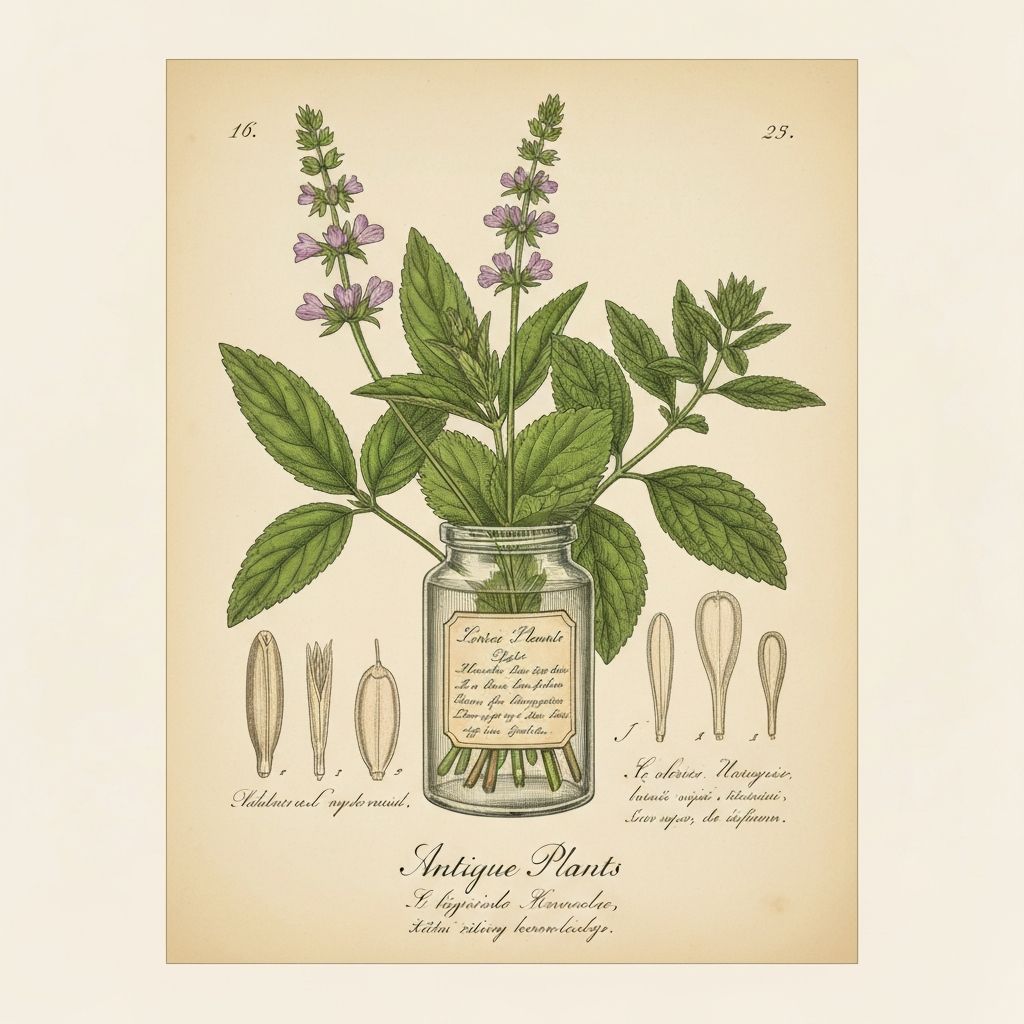
The Science Behind Natural Ingredients
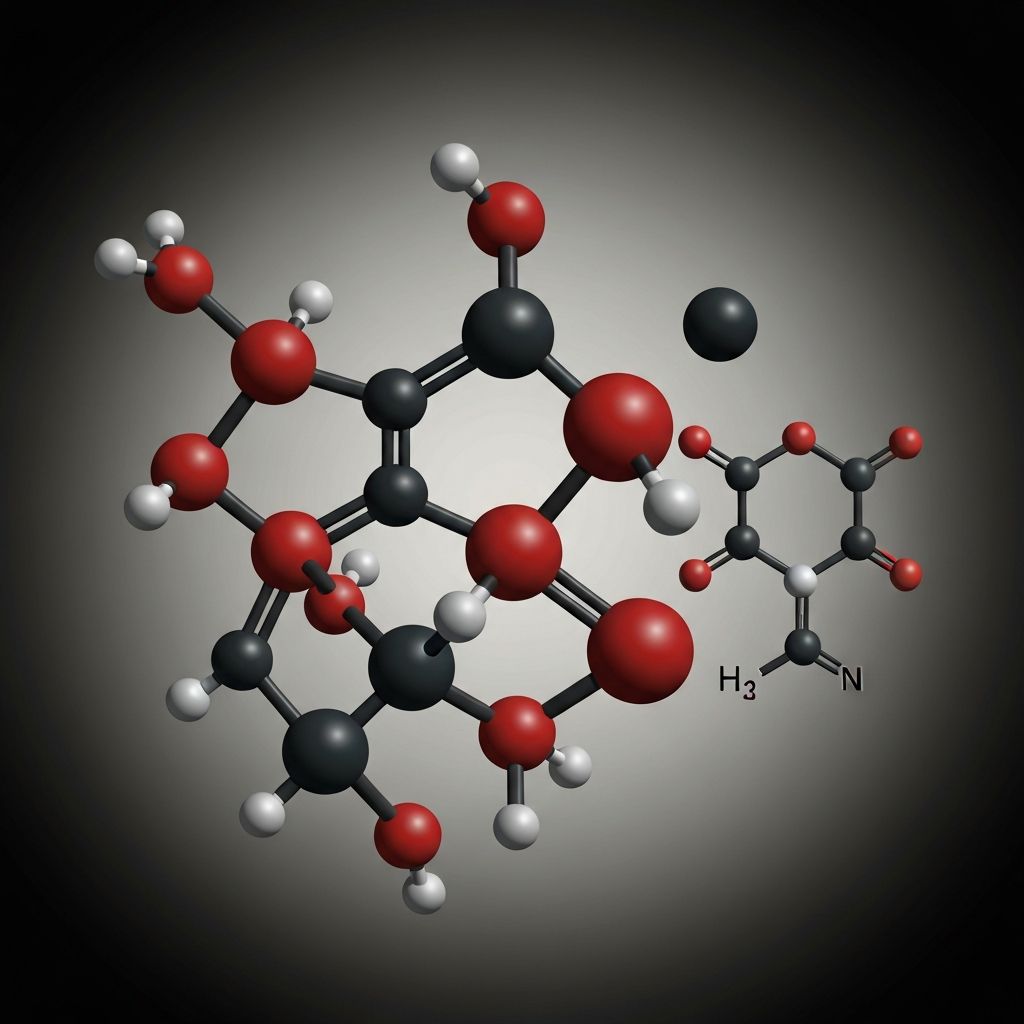
Modern science investigates how natural compounds interact with human physiology. Botanical ingredients contain various bioactive molecules—alkaloids, flavonoids, polyphenols—that have been the subject of extensive research.
This section explains these mechanisms in accessible terms: how certain botanicals may support energy production, influence antioxidant activity, or interact with the body's natural processes. The goal is educational understanding, not medical prescription.
Scientific study reveals that many traditional uses of plants have a basis in biochemistry, validating centuries of observation while emphasizing that individual responses vary greatly.
Natural Approaches to Daily Care
Integrating natural components into everyday routine is a matter of lifestyle choice and personal exploration. This includes dietary approaches, supplemental practices, topical applications, and wellness rituals that have evolved across cultures.
Natural care encompasses not just isolated ingredients, but a holistic perspective: quality sleep, stress management, physical activity, and nutritious diet form the foundation upon which natural component support operates.

Holistic Well-being: Beyond Ingredients
True vitality extends far beyond any single ingredient. Holistic well-being is a comprehensive approach that acknowledges the interconnection of physical health, mental clarity, emotional balance, and spiritual fulfillment.
Physical Foundation: Regular movement, adequate sleep, and nutritious eating provide the physiological basis for well-being. Natural components can support these practices, but they complement rather than replace fundamental lifestyle habits.
Mental and Emotional Wellness: Stress management, mindfulness practices, and cognitive engagement significantly influence overall health. Nature itself—through walking, gardening, or outdoor meditation—offers psychological benefits independent of botanical compounds.
Social and Spiritual Dimensions: Connection with others, purposeful engagement, and alignment with personal values contribute equally to well-being as any physical intervention.
Antioxidants and Their Role
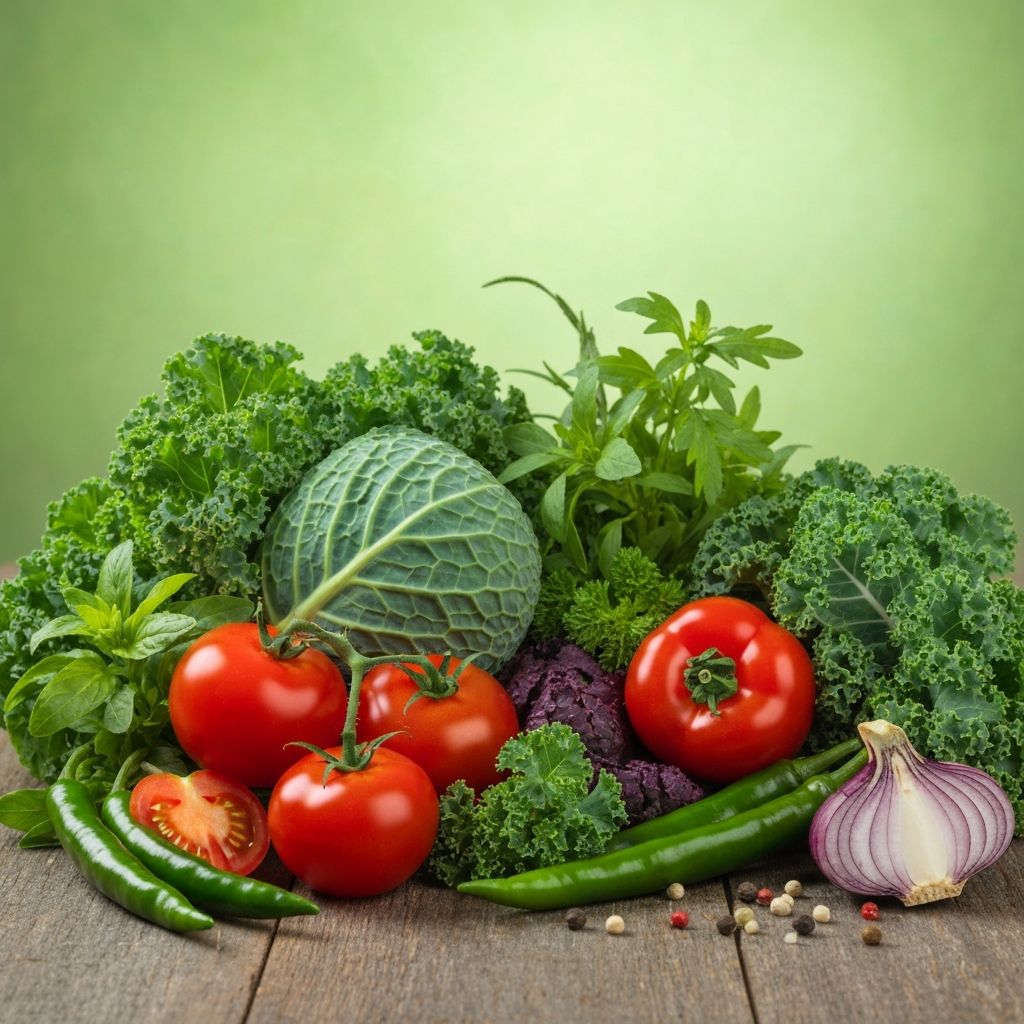
Antioxidants are molecules that help protect cells from oxidative stress—a natural byproduct of metabolism and environmental exposure. Many natural foods and botanicals contain abundant antioxidants, which is one reason they feature prominently in wellness traditions.
Sources include berries, leafy greens, nuts, seeds, and various spices. Understanding antioxidant content helps explain why diverse cultures independently developed plant-based wellness practices.
Research continues to explore optimal antioxidant intake and sources, but the principle is clear: nutrient-dense plant foods contribute meaningfully to cellular health and resilience.
Adaptogens: Nature's Stress Support
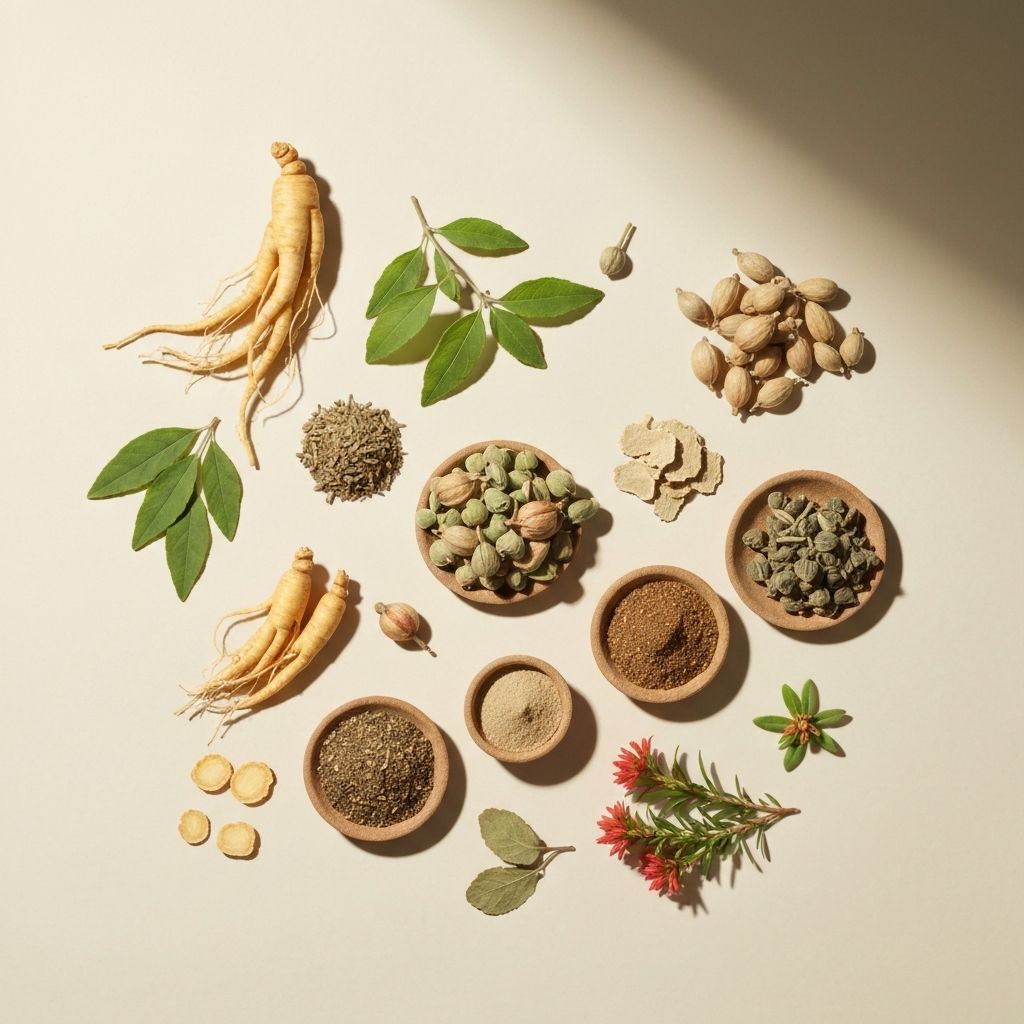
Adaptogens are a category of botanicals traditionally used to help the body manage stress and maintain balance. Plants like ginseng, rhodiola, and ashwagandha are studied for their potential to modulate the stress response system.
These herbs work through various mechanisms—some influencing cortisol pathways, others supporting energy metabolism, still others promoting mental clarity. The common thread is their traditional use in helping people navigate demanding circumstances.
Adaptogenic plants represent an important bridge between traditional knowledge and modern pharmacological research, demonstrating how ancient practices inform contemporary scientific investigation.
Minerals from the Earth
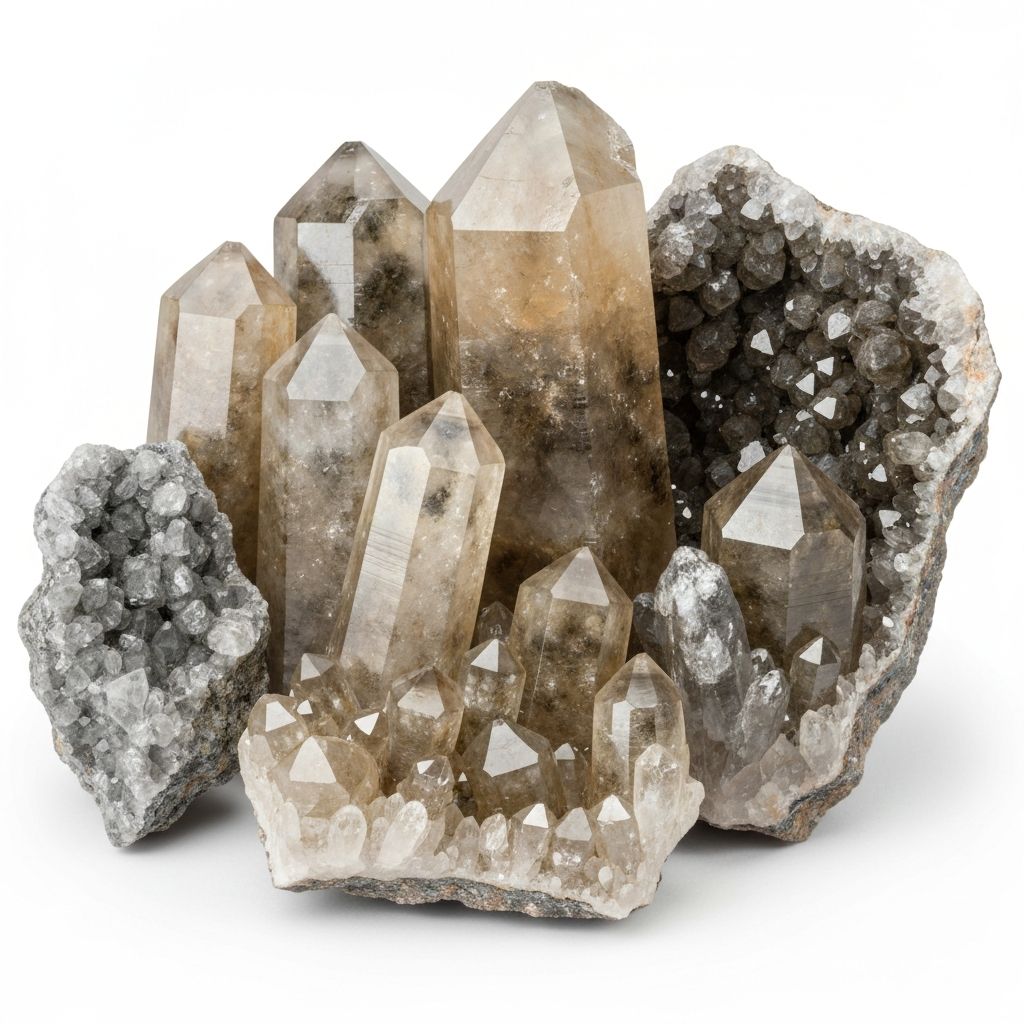
Essential minerals—zinc, magnesium, selenium, iron, and others—play critical roles in human physiology. These elements are naturally abundant in soil and enter the food chain through plants and animals.
Many botanical sources are mineral-rich, particularly those grown in mineral-dense soils. Understanding mineral content in natural sources helps explain why certain regions and food cultures have particular wellness traditions.
Mineral deficiency can compromise numerous physiological processes, making mineral-rich foods and botanicals important components of nutritional well-being.
Navigating Information: A Responsible Approach
In an age of abundant information and varying claims, critical thinking is essential. This section emphasizes the importance of evaluating sources, understanding research methodology, and recognizing the difference between preliminary studies, established findings, and marketing claims.
- Source Evaluation: Distinguish between peer-reviewed research, expert opinion, anecdotal reports, and marketing materials.
- Research Literacy: Understand that single studies rarely prove anything; findings require replication and independent verification.
- Individual Variation: Biological responses are highly individual. What works well for one person may be less effective for another.
- Context Matters: The quality, sourcing, processing, and form of botanical ingredients significantly influence their properties and potential effects.
Exploring Botanical Extracts
Botanical extracts are concentrated forms of plant compounds, created through various extraction methods: water infusions, alcohol extraction, supercritical CO2, cold pressing, and others. Each method produces different phytochemical profiles.
Forms and Concentrations: Extracts are available in multiple forms—tinctures, powders, capsules, oils, teas—each with different bioavailability and practical applications. Understanding these distinctions helps consumers make informed choices aligned with their preferences and needs.
Quality Considerations: Extract quality depends on plant sourcing, cultivation methods, extraction technique, and storage conditions. Premium botanical extracts reflect attention to these factors throughout the supply chain.
The Interconnectedness of Nature and Well-being
A fundamental principle of holistic thinking is recognizing that human well-being exists within broader ecological and biological systems. Our bodies are not separate from nature—they are nature, composed of elements derived from earth, water, air, and sunlight.
Natural components support well-being not through magic, but through participatory alignment with natural systems. When we eat whole foods close to their natural state, engage with natural environments, and respect biological rhythms, we support our inherent capacity for health.
This perspective transcends the reductionist view of extracting isolated compounds in favor of understanding botanical wholes and their complex, synergistic effects. It bridges ancient wisdom with modern scientific understanding, creating a comprehensive framework for genuine well-being.
Further Reading and Resources
This guide provides foundational knowledge about natural components and their role in well-being. For deeper exploration, we encourage independent study through peer-reviewed botanical research, historical wellness texts, and reputable educational resources.
Consider exploring:
- Scientific literature on specific botanical compounds and their mechanisms
- Historical texts examining traditional wellness practices across cultures
- Educational resources on nutrition, stress management, and holistic health
- Consultation with qualified practitioners regarding your specific circumstances
Limitations and Context
Educational Purpose Only: This website provides informational content about natural components and historical wellness practices. It is not a substitute for professional medical advice, diagnosis, or treatment.
No Individual Recommendations: Information presented here is general in nature and does not apply to any specific individual. Each person's health situation, medications, allergies, and needs are unique.
Diverse Approaches: Individuals adopt many different approaches to well-being. This guide reflects one perspective among many legitimate approaches to health and vitality.
Professional Consultation: For any specific health concerns, questions about interactions with medications, or individual health guidance, consult qualified healthcare professionals.
Ready to Explore Deeper?
We invite you to read our comprehensive insights, explore our FAQ, and discover resources that support your personal journey toward natural well-being.
Explore Facts